


Your logistics business may rely on multiple ERP, financial, warehouse, transportation, and operational systems. But when data remains disconnected across these platforms, you can face inconsistent reporting, data silos, and limited business visibility.
Building a single source of truth helps you integrate and standardize relevant data from multiple systems for consistent analysis. It creates a trusted data foundation that improves visibility and supports faster, data-driven decisions.
So, how can you build a reliable single source of truth across multiple ERP systems?
What does a Single Source of Truth Mean in Logistics?
A single source of truth (SSOT) is a data management approach that creates a consistent and trusted view of business information.
Consider a global freight forwarder operating across multiple branches. One location may use CargoWise, and another may rely on a different logistics ERP, while finance, sales, warehouse, and transportation teams use additional business applications.
Each system contains valuable information. The challenge begins when you cannot bring that data together for consistent reporting and analysis.
Building an SSOT does not necessarily mean replacing every ERP with one system. Instead, it involves identifying authoritative data sources, integrating relevant information, standardizing business definitions, and creating a reliable data environment for enterprise-wide analysis.
Why do Multiple ERP Systems Create Data Visibility Challenges?
Using multiple ERP systems is not necessarily the problem. The real challenge begins when your data remains fragmented.
Different platforms may use different customer identifiers, currencies, naming conventions, data structures, and KPI definitions.
For example, the same customer may appear under different names across multiple platforms. One branch may calculate shipment profitability differently from another. Your finance and operations teams may also use different definitions for revenue, costs, or completed shipments.
These inconsistencies make enterprise-wide reporting difficult.
Your teams may spend more time collecting, preparing, and reconciling information. Reports may show conflicting numbers. Executives can struggle to compare branch performance, while analysts spend more time preparing data than identifying valuable insights.
Eventually, you face one important question: Which data should you trust?
How can You Build a Single Source of Truth Across Multiple ERP Systems?
Creating unified data visibility requires more than connecting databases or implementing another reporting tool.
You need a structured approach to data integration, standardization, governance, and analytics.
Identify Your ERP Systems and Critical Data Sources
Start by understanding where your important business data currently exists.
Identify the systems generating shipment, financial, sales, customer, warehouse, and transportation information.
Your data sources may include logistics ERPs, transportation management systems (TMS), warehouse management systems (WMS), accounting platforms, CRM solutions, spreadsheets, and third-party applications.
Next, determine which information is essential for reporting and decision-making.
This assessment gives you a clearer view of your existing data ecosystem and helps you identify critical data silos.
Determine the System of Record for Critical Data
You should identify which platform is authoritative for each important data domain.
For example, your logistics ERP may be the primary source for shipment information, while an accounting platform manages financial records and a CRM system maintains customer information.
Clearly defining your systems of record helps reduce uncertainty when multiple platforms contain conflicting or duplicated information.
It also creates an important foundation for consistent enterprise-wide reporting.
Define Consistent Business Metrics and KPIs
Connecting multiple systems does not automatically create trustworthy insights.
Before bringing your data together, you need consistent definitions for critical business metrics.
What qualifies as revenue? How do you calculate gross profit? When is a shipment considered completed? How should you measure customer or branch performance?
If your departments calculate these metrics differently, integrating the data will only centralize existing inconsistencies.
Standardized KPI definitions and business rules help ensure your teams analyze performance using consistent logic.
Integrate Data from Multiple ERP Systems
Once you have identified your data sources, systems of record, and business definitions, you need an appropriate integration approach.
Depending on your technology environment and business requirements, you can integrate data through APIs, data connectors, middleware, ETL, or ELT processes.
The objective is to create reliable data pipelines between your operational platforms and analytics environment.
Automation is particularly important.
Manually exporting ERP information and combining spreadsheets may work for limited reporting requirements. However, this approach becomes increasingly difficult as your transaction volumes and business complexity grow.
Automated data integration creates a more scalable foundation for analytics and reporting.
Clean, Transform, and Standardize Your Data
Data from multiple ERP systems rarely arrives in identical formats.
Customer names, currencies, shipment classifications, branch codes, dates, and account structures may vary across your systems.
Before you can create trustworthy analytics, this information needs to be cleaned, transformed, and standardized.
Data transformation processes can identify duplicates, address inconsistencies, align formats, and apply common business rules.
This step is critical because integrating poor-quality data does not automatically create reliable insights.
A sophisticated BI dashboard built on inconsistent information can simply make inaccurate data easier to visualize.
Establish Strong Data Governance
Who owns your customer data? Who defines financial KPIs? Who can access sensitive information? Who approves changes to reporting logic?
These questions become increasingly important when you combine information from multiple systems.
Data governance establishes policies for how your information is defined, managed, protected, and maintained.
You should establish data ownership responsibilities, access controls, quality standards, security requirements, and processes for managing changes to business definitions.
Strong data governance helps maintain trust and consistency as your business and reporting requirements evolve.
Create a Unified Data Environment
After integrating and standardizing relevant data, you need an appropriate environment for analytics.
Depending on your organizational requirements and existing technology architecture, this may involve a data warehouse, cloud data platform, lakehouse, data mart, or another analytics architecture.
The objective is not simply to copy every piece of business information into one location.
Instead, you need to provide trusted and consistent data for analysis without requiring your employees to manually collect information from multiple ERP systems.
A unified data environment can bring together relevant shipment, financial, customer, warehouse, sales, and operational information for broader business analysis.
Turn Trusted Data into Actionable Insights with BI Dashboards
Building a single source of truth creates greater business value when your decision-makers can easily access and understand trusted information.
This is where BI dashboards become important.
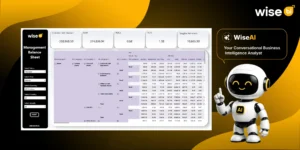
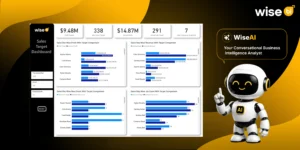
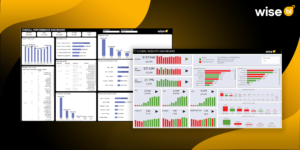
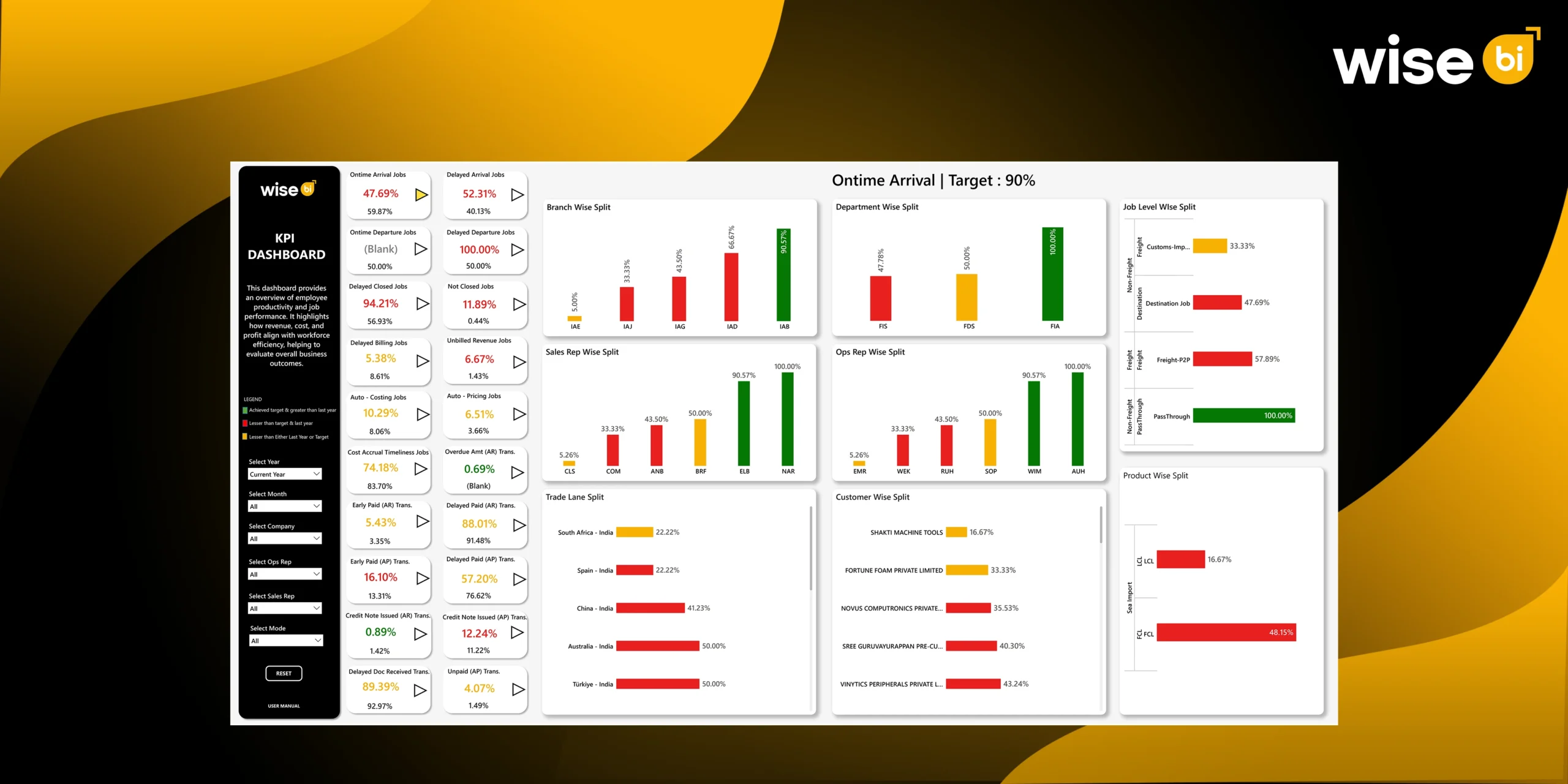
Your executives can compare global, regional, and branch performance. Finance teams can analyze revenue, costs, and shipment profitability. Operations teams can monitor shipment consolidation performance, while sales teams can evaluate customer and commercial trends.
Different teams gain insights relevant to their responsibilities while working with consistent business metrics and trusted data.
What are the Business Benefits of a Single Source of Truth?
One of the biggest benefits is greater data consistency.
Your teams can spend less time debating which spreadsheet or report contains accurate information and more time analyzing performance.
Automated data pipelines can also reduce manual data preparation and improve reporting efficiency.
You gain broader business visibility across branches, regions, departments, and business units.
Most importantly, trusted data supports more informed decision-making. You can identify performance gaps, analyze profitability, discover operational opportunities, and respond more effectively to changing business conditions.
How can WiseBI Turn Unified Logistics Data into Actionable Insights?
Building a single source of truth is only valuable when you can easily access, analyze, and act on trusted business information.
WiseBI helps logistics and supply chain companies transform data from ERP and business systems into centralized, actionable insights through custom BI development.
By bringing relevant shipment, financial, customer, sales, warehouse, and operational data into a unified analytics environment, WiseBI helps you gain greater visibility across your business.
Instead of relying on disconnected spreadsheets and separate reports, you can monitor performance through centralized dashboards built around consistent business metrics.
This enables your executives and business teams to identify trends, understand performance, and make faster, data-driven decisions.
Conclusion
Managing multiple ERP systems does not have to result in fragmented reporting and inconsistent insights.
By identifying authoritative data sources, standardizing KPIs, integrating and transforming relevant information, establishing data governance, and creating a unified analytics environment, you can build a reliable single source of truth.
Ready to turn your disconnected logistics data into actionable insights? Schedule a free demo with WiseBI today and discover how unified data visibility can help you make faster, more informed business decisions.