


“A shipment is delivered. The job is complete. But where’s the payment?”
Your freight forwarding team has delivered the cargo, updated the shipment status, and moved on to the next job. However, billing may still be waiting for supplier charges, supporting documents, or internal approval before issuing the customer invoice.
Even after invoicing, customer disputes or delayed payments can hold up cash. This is why understanding the order-to-cash cycle in logistics matters. Freight forwarders need to know how much time passes between shipment delivery, cost confirmation, and invoice payment collection.
What is the Order-to-Cash Cycle in Logistics?
The order-to-cash cycle covers the process from receiving a customer order to collecting payment. In freight forwarding, this includes shipment execution, job completion, supplier cost confirmation, customer invoicing, and payment collection.
After delivery, the process generally moves through cost completion, invoice preparation, dispute resolution when necessary, and payment receipt. Each stage involves different responsibilities, and delays can affect the entire cycle.
For example, if a carrier invoice is pending, billing may be unable to finalize the customer invoice. Even when the customer pays within the agreed credit period, the business receives its money later because invoicing started late.
Why doesn’t DSO show the Full Picture?
Days Sales Outstanding (DSO) measures how quickly a business collects credit sales. However, it doesn’t directly measure the time between shipment delivery and customer invoicing.
A customer may pay within the agreed credit period, but the invoice could have been issued several days after delivery. From a collections perspective, the payment appears normal, even though the business experienced an earlier delay.
Tracking delivery-to-invoice time alongside DSO gives freight forwarders a clearer understanding of billing efficiency and payment collection.
Where does Cash Get Delayed After Shipment Delivery?
Cash flow delays can begin in operations, continue through billing, and eventually affect collections. Understanding these stages helps identify where completed shipments are waiting to generate cash.
Delays in Job Completion
A shipment may have reached its destination, but proof of delivery, shipment status updates, or supporting documents may still be pending. If billing requires these records, the invoice cannot proceed until operations completes the necessary updates.
Pending Supplier Costs
Freight forwarding jobs involve charges from carriers, truckers, overseas agents, and other providers. Some supplier invoices arrive after delivery, leaving teams waiting to confirm final costs.
Monitoring cost accrual timeliness and pending job costs helps identify shipments that require attention before they remain unbilled.
Delayed Customer Invoicing
Even after costs are confirmed, missing customer references, documents, or internal approvals can delay invoice preparation.
Tracking delayed billing jobs and unbilled revenue helps managers identify completed shipments that haven’t been invoiced within the expected timeframe.
Customer Invoice Disputes
Customers may question freight rates, detention charges, storage fees, or additional handling costs. Billing must investigate these questions, often with support from operations, before resolving the dispute.
Repeated disagreements can delay payment and increase administrative work. Understanding their causes helps improve invoice accuracy.
Overdue Customer Payments
After invoicing, credit controllers monitor payment terms, outstanding balances, and overdue transactions. Some customers pay within the agreed period, while others require follow-up.
Debtor aging and overdue receivables reporting help finance teams prioritize accounts requiring attention.
Who is Responsible for Reducing Order-to-Cash Delays?
Improving the order-to-cash cycle requires coordination between operations, billing, and credit control.
Operations teams update shipment milestones, complete job records, and confirm supplier costs. Billing teams prepare accurate customer invoices and resolve charge-related questions with operations.
Credit controllers manage payment follow-ups and overdue accounts. Finance managers need visibility across these activities to identify whether delays originate in job completion, invoicing, disputes, or collections.
What makes Faster Invoicing More Valuable than Chasing Overdue Payments?
Consider a hypothetical freight forwarding company that takes twelve days after delivery to issue customer invoices. Customers then take thirty-five days to pay, making the total delivery-to-cash period forty-seven days.
If credit control reduces collection time by three days, the cycle falls to forty-four days. However, if operations and billing reduce the delivery-to-invoice period from twelve days to five, the cycle falls to forty days, assuming customer payment behavior remains unchanged.
In this example, faster invoicing delivers a greater improvement than the collections initiative. The right approach depends on where delays actually occur, making stage-by-stage measurement essential.
How can Invoice Dispute Analysis Help Reduce Payment Delays?
An unpaid invoice doesn’t always mean the customer is unwilling to pay. Sometimes, they’re waiting for a corrected invoice, supporting document, or clarification of an additional charge.
One customer may regularly dispute detention charges, while another questions differences between quoted rates and final invoices. These issues can affect payment timing even when customers generally follow agreed terms.
Freight forwarders should examine which customers raise frequent disputes, which charge types cause repeated questions, and which branches take longer to resolve them. Recording dispute reasons and resolution dates helps identify patterns and improve billing procedures.
How can WiseBI Help Freight Forwarders Improve the Order-to-Cash Cycle?
WiseBI helps freight forwarding companies analyze financial and operational performance using CargoWise data. Its dashboards provide visibility into delayed billing, unbilled revenue, outstanding receivables, and overdue payments.
Identify Billing Delays With the KPI Dashboard
WiseBI’s KPI Dashboard includes delayed billing jobs, unbilled revenue, cost accrual timeliness, and overdue accounts receivable measures.
Managers can review performance across available branches, departments, customers, and operational categories to identify where billing or job completion needs attention.
Monitor Outstanding Payments With the Debtor Dashboard
WiseBI’s Debtor Dashboard displays outstanding receivables, overdue balances, average debtor days, and work in progress.
Finance teams can review customer balances, monitor credit controller performance, and identify accounts exceeding credit limits. Transaction-level drill-through reporting provides invoice amounts, payments, pending balances, and aging information.
Explore Financial Performance With WiseAI
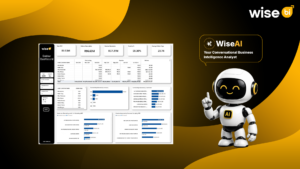
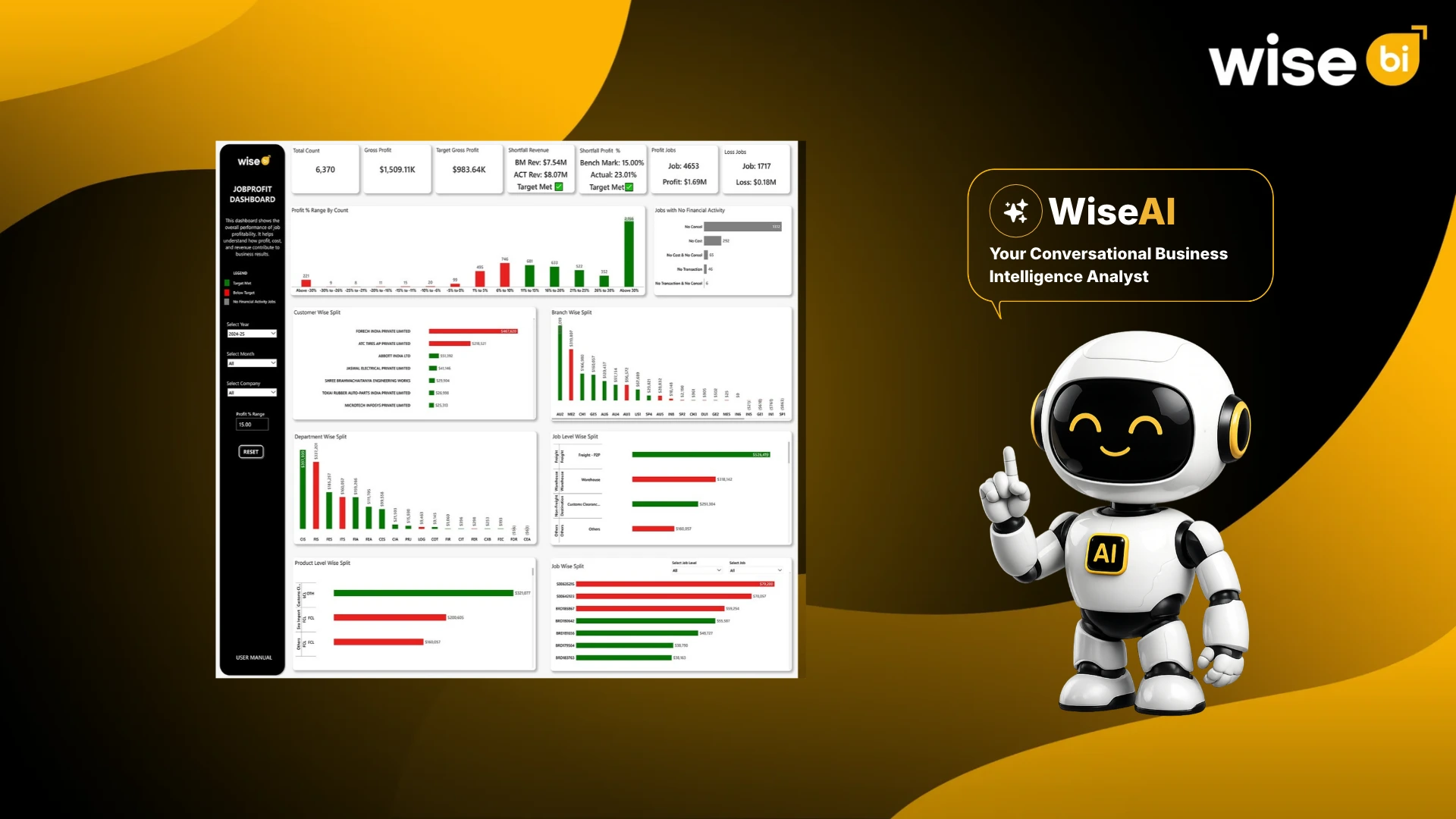
WiseAI is a Data Intelligence Assistant, available across WiseBI’s dashboards. Users can ask business questions in everyday language instead of manually navigating multiple reports.
For example, a finance manager could ask, “Which branches have the most delayed billing jobs?” A credit controller could ask, “Which customers have the highest overdue balances?”
Based on available data, WiseAI can provide charts, tables, written insights, and generated dashboard views. Users can also ask follow-up questions, while mobile access, chat history, and report downloads support reviewing and sharing information where enabled.
Together, these capabilities help teams investigate delays and make informed decisions.
Conclusion
Find where cash gets delayed before it becomes overdue
A delivered shipment doesn’t always mean payment will arrive quickly. Pending supplier costs, delayed invoices, billing disputes, and overdue receivables can extend the time between completing a shipment and receiving cash.
By measuring each stage and assigning clear responsibilities, freight forwarders can address problems earlier and improve cash flow management.
WiseBI’s KPI Dashboard, Debtor Dashboard, and WiseAI help companies examine relevant CargoWise data and identify opportunities to improve billing and payment performance.
Want to understand where cash gets delayed in your freight forwarding business? Book a free demo with WiseBI to explore how WiseBI can support your financial and operational reporting.