



Revenue may start with a completed shipment and an issued invoice, but it only strengthens the business when that invoice is paid.
When payments are delayed, the business continues to carry operational costs, face credit exposure, and experience working capital pressure. That makes accounts receivable visibility important because finance teams need to know which customers, invoices, and balances require attention before cash flow is affected.
So, the real question is:
Can your finance team identify which receivables need action before overdue balances start creating cash-flow pressure?
That is where a CargoWise debtor dashboard becomes valuable.
💰 Accounts Receivable is a Cash Flow Control Point
For logistics companies, receivables can build quickly across customers, branches, shipments, jobs, and credit controllers.
One delayed payment may look manageable. But when several invoices remain unpaid, overdue balances grow, and work in progress continues to build, the financial picture can change quickly.
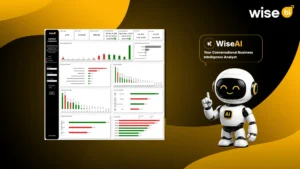
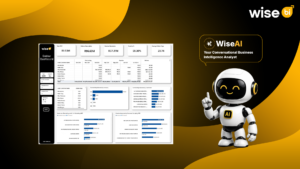
The CargoWise debtor dashboard helps finance teams understand this exposure in one view. It shows total WIP, balance receivables, overdue receivables, overdue percentage, and average debtor days together, giving leadership a quick view of cash-flow pressure and collection risk.
This matters because AR is not only about knowing who has not paid. It is about knowing where financial pressure is starting to build.
📊 The Problem is not Always Late Payment. It is Late Visibility
Most logistics finance teams can identify overdue invoices.
The harder part is knowing which overdue accounts need action first.
Should the team focus on the largest overdue balance? Is it the customer exceeding credit limits? Is it the account with active WIP? Or is it the credit-controller portfolio with the highest exposure?
Without a connected view, those answers may sit across separate reports.
A connected AR view helps freight forwarders reduce overdue customer payments by showing which customers, invoices, aging days, credit exposure, and collection priorities need attention first.
An AR dashboard helps logistics finance teams see outstanding balances by customer, overdue balances by customer, company-level receivables, debtor days by credit controller, and customers exceeding credit limits. This makes the AR picture easier to investigate and prioritize.
That changes the conversation from:
“Which invoices are overdue?”
to:
“Where should we focus collection attention first?”
⚠️ Customer Exposure can Grow While Work Continues
Logistics finance has one important challenge: work often continues while receivables remain open.
A customer may already have overdue balances, but new jobs may still be active. More costs may be incurred, and WIP may continue to build. So, business exposure is not limited to invoices already raised.
The accounts receivable dashboard highlights customers exceeding credit limits, including WIP, and overdue balances by customer, including WIP. This helps finance teams view customer exposure more realistically instead of looking only at unpaid invoices.
That makes credit control more practical. The question is not only “Who owes us money?” It is also “How much more exposure are we carrying with this customer?”
For logistics businesses, that distinction matters.
🔎 Drill-Through Turns AR Insight Into Action
A high-level dashboard is useful, but finance teams still need invoice-level detail to act.
If a customer’s balance looks risky, the team needs to see the transactions behind it. The transaction drill-through page provides details such as customer name, credit controller, company code, transaction number, transaction type, status, post date, due date, invoice amount, paid amount, pending amount, overdue amount, and aging days. This creates a simple action path:
Dashboard signal → customer account → transaction detail → collection follow-up.
Instead of spending time searching through reports, finance teams can move faster from insight to action.
🎯 Collection Priority Matters More than Aging Lists
An aging report can show what is overdue, but it does not always show what should be handled first.
That is where AR visibility becomes more useful. Finance teams can prioritize follow-ups based on overdue value, aging days, credit exposure, active WIP, credit-limit breaches, responsible credit controller, and transaction-level pending amounts.
This helps collections move from a routine follow-up list to a risk-based action plan.
📦 WIP Belongs in the AR Conversation
Work in progress is often reviewed separately from receivables.
But in logistics, WIP can show future billing, ongoing customer exposure, and potential working capital pressure.
The WIP drill-through dashboard shows customer name, company code, job number, period, and WIP amount, helping finance teams understand which jobs are still sitting in the pipeline.
That helps answer a useful question:
Are we still carrying costs or exposure for customers who already have overdue balances?
When AR and WIP are viewed together, finance leaders get a clearer picture of customer risk.
🤖 How Does AI Help Finance Teams Manage AR Collections Smarter?
Accounts receivable is moving beyond manual follow-ups and aging reports.
AI-powered BI can identify payment patterns, flag accounts likely to become overdue, and trigger alerts for risks such as credit-limit breaches, rising overdue balances, active WIP on unpaid accounts, or changes in payment behavior.
With read-only analysis, permission-based access, secure authentication, existing BI governance, and no changes to operational records, finance teams can explore AR data safely, prioritize collections faster, and detect risk earlier.
🚀 Final Thoughts
Accounts receivable is not just about chasing payments. It is about protecting cash flow, reducing credit exposure, and helping leadership see where financial risk is building.
A debtor dashboard connects receivables, WIP, customer exposure, credit limits, and transaction details into one clearer view.
With the right logistics BI solution, CargoWise finance teams can improve cash-flow visibility, prioritize collections, and make faster, better-informed credit-control decisions.