


Logistics companies generate valuable data across every shipment, customer interaction, financial transaction, and operational activity. This information can help businesses improve efficiency, understand performance, and identify new growth opportunities.
However, having large amounts of data does not always mean having useful insights.
Many logistics and freight forwarding companies still spend significant time collecting reports, preparing spreadsheets, and combining information from different systems before they can understand what is happening across their business. As operations become more complex, managing analytics internally becomes increasingly challenging.
This is where Managed Analytics Services help.
Managed Analytics Services provide the expertise, technology, and support businesses need to turn complex data into meaningful insights. They help organizations connect data sources, create business intelligence solutions, and develop reporting capabilities without the complexity of building everything internally.
Understanding Managed Analytics Services
Managed Analytics Services provide a complete approach to managing business analytics, from collecting and organizing data to creating dashboards and delivering insights.
Instead of investing significant resources into building an internal analytics team and managing complex data infrastructure, companies can work with an analytics partner that provides the required expertise, tools, and ongoing support.
A managed analytics solution typically includes:
- Data integration from multiple systems
- Data management and preparation
- Business intelligence dashboards
- Performance reporting
- Analytics support and improvements
For logistics and supply chain businesses, this approach brings together key information across operations, finance, customers, and performance.
By connecting different data sources, companies can move beyond traditional reporting and gain a clearer understanding of business performance.
Benefits of Managed Data Analytics Services
Informed Decision Making
Data becomes valuable when it supports better business decisions.
Managed analytics services help logistics teams move from manually reviewing reports to using structured insights that improve decision-making.
Through analytics dashboards and reporting solutions, businesses can gain better visibility into shipment activity, customer performance, profitability, operational efficiency, and key performance indicators.
This allows management teams to focus on taking action based on reliable insights instead of spending time collecting and organizing information.
Access to Data Expertise
Building an effective analytics capability requires expertise in areas such as data integration, business intelligence, reporting, and data visualization.
Managed Analytics Services provide access to analytics professionals without requiring businesses to build and maintain a complete internal team.
For logistics companies, this means they can benefit from advanced analytics capabilities while allowing internal teams to focus on their core operational responsibilities.
Focus on Core Business Activities
Managing analytics internally requires ongoing effort in maintaining reports, managing data processes, and improving analytics systems.
Managed analytics services help logistics companies reduce this complexity and focus more on improving operations, customer relationships, and business growth.
By having analytics support in place, teams can spend more time using insights rather than managing the processes behind them.
Enhanced Speed to Market
Logistics decisions often depend on how quickly teams can access accurate information.
Managed analytics services help reduce the time required to develop reporting solutions by providing established analytics processes and expertise.
This enables logistics businesses to access insights faster, identify performance changes earlier, and respond more effectively to changing business requirements.
Enhanced Data Governance & Data Security
Reliable analytics depends on accurate and trusted data.
When information is collected from different systems, maintaining consistency and data quality can become difficult. Managed analytics services help businesses create structured data processes that improve accuracy, reliability, and accessibility.
They also support better control over how data is managed and used across the organization.
Accelerated Insight Generation
Logistics companies manage large volumes of operational data, but identifying important trends manually can be challenging.
Managed analytics services help transform complex information into clear dashboards and analytics solutions that highlight important business insights.
This allows teams to better understand performance changes, identify opportunities, and take action faster.
Reduced Implementation Risks
Building analytics capabilities internally can involve challenges such as hiring skilled professionals, selecting suitable technologies, and maintaining systems over time.
Managed analytics services provide a structured approach that helps businesses overcome these challenges.
Companies can access analytics capabilities without managing every technical requirement themselves, making analytics adoption more practical and scalable.
What is Delivered with Managed Analytics?
Data Integration and Automation
Data integration is the foundation of effective logistics analytics.
Managed analytics services help connect information from different business systems and organize it into a format that supports analysis.
For logistics companies, this creates a connected view of operational, customer, financial, and performance data.
This helps businesses reduce disconnected reporting and create a more complete understanding of their operations.
Cloud Data Warehousing & Data Management
Effective analytics requires reliable and organized data.
Data management solutions help businesses structure, store, and maintain information so teams can access consistent data for reporting and analysis.
A strong data foundation supports better business intelligence, reporting accuracy, and long-term analytics growth.
Governed Reporting & Dashboards
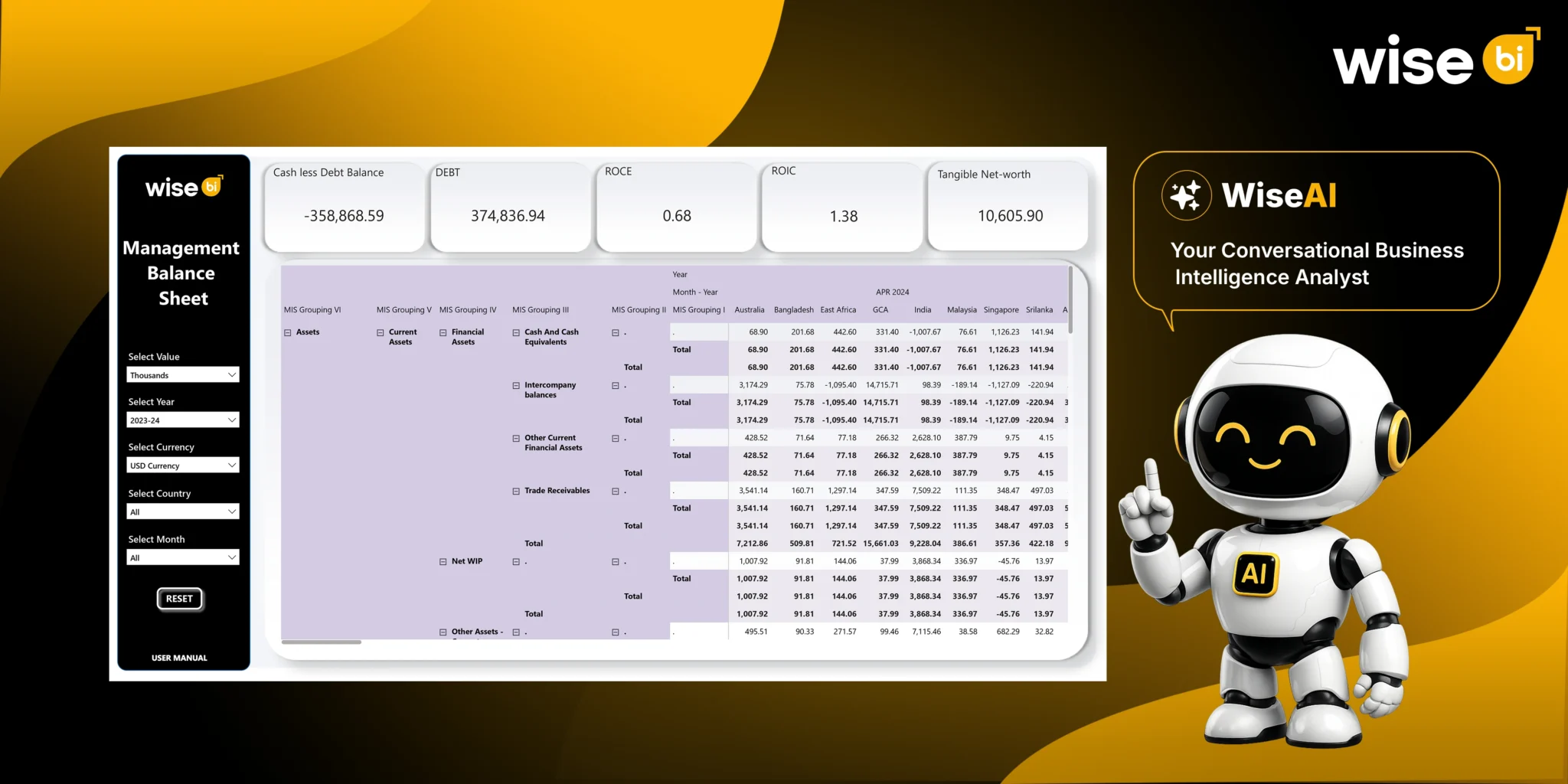
Business intelligence dashboards are one of the most valuable outcomes of managed analytics services.
Dashboards transform complex logistics data into clear visual insights that help users understand performance quickly.
For logistics companies, dashboards can provide visibility into:
- Shipment performance
- Customer analytics
- Revenue and profitability
- Operational KPIs
- Business performance
For freight forwarding companies, using platforms such as CargoWise with Power BI can help transform operational and financial data into meaningful business insights.
These dashboards help teams make decisions using reliable and connected information.
Machine Learning & AI-Enabled Insights
Advanced analytics and AI capabilities help businesses identify deeper patterns within their data.
For logistics organizations, AI-powered analytics can support a better understanding of trends, operational performance, and future opportunities.
This allows businesses to move beyond traditional reporting and adopt more intelligent approaches to logistics data analytics.
Ongoing Training & Support of Data Team
Analytics requirements continue to evolve as businesses grow.
Managed analytics services provide ongoing support to improve dashboards, adapt reporting requirements, and ensure analytics solutions continue delivering value.
This helps organizations maintain strong analytics capabilities without managing every aspect internally.
High Stakes & Costs of Traditional Approaches
Hire and Manage Data Team & Build Infrastructure In-House
Building an internal analytics team requires investment in skilled professionals, technology, and infrastructure.
While this approach provides direct control, businesses also need to manage hiring challenges, technology updates, and ongoing maintenance.
For many organizations, developing complete analytics capabilities internally can require significant time and resources.
Hire Experienced Data Consultants on a Project Basis
Project-based consultants can help businesses start analytics initiatives, but analytics requirements often continue after the project ends.
Companies may still need internal resources to maintain dashboards, manage data processes, and improve analytics solutions.
Challenges of Integrating Modern Data Vendor Solutions
Managing multiple analytics technologies can create additional complexity.
Businesses may face challenges related to system integration, technology management, and maintaining connected data environments.
Managed analytics services simplify this process by providing a structured approach to analytics implementation and support.
When do Managed Analytics Services Make Sense?
Drowning in Manual Spreadsheets
Businesses relying heavily on manual reporting often face delays, repetitive work, and inconsistent information.
Managed analytics services help replace fragmented reporting processes with structured dashboards and analytics solutions.
Difficulty Connecting Disparate Business Applications
Logistics companies often use multiple systems to manage different operational areas.
Managed analytics services help connect these sources and create a unified view of business performance.
Analytics is a Priority, but Not a Core Capability
Many businesses understand the importance of analytics but may not have dedicated internal expertise.
Managed analytics services provide access to the required capabilities while allowing companies to focus on their main business activities.
Hiring and Retaining Data Talent Challenges
Finding and retaining skilled analytics professionals can be challenging.
Managed analytics services provide access to experienced analytics resources without requiring businesses to build a large internal analytics team.
Common Concerns with Managed Analytics
Loss of Customization and Flexibility
Managed analytics solutions should adapt to business requirements.
A flexible analytics approach allows companies to create dashboards and reporting structures based on their operational needs.
Security and Privacy Risks
Data security is an important consideration when working with analytics solutions.
Businesses should ensure proper security practices are followed to protect sensitive business information.
Dependence on Managed Service Provider
Managed analytics services should work as a partnership that supports business goals while allowing organizations to maintain control over their data and insights.
Long-Term Commitments and Scalability
Analytics needs change as businesses grow.
A scalable managed analytics solution allows companies to adjust their analytics capabilities based on changing requirements.
Integration with Existing Systems
Managed analytics solutions should connect effectively with existing business systems.
For logistics companies, this helps bring together important data sources into a connected analytics environment.
Outsourcing Data Operations
Using managed analytics services does not mean losing control of business data.
Instead, it provides additional expertise and technology support that helps organizations improve their analytics capabilities.
A Modern Approach to Unlocking Logistics Data
Making better decisions in logistics depends on using data effectively. However, converting complex operational information into actionable insights requires the right technology, processes, and expertise.
Managed Analytics Services help logistics and supply chain companies overcome data challenges by connecting information, improving reporting, and creating dashboards that support better decision-making.
With a stronger analytics foundation, freight forwarders can gain clearer visibility into performance, identify opportunities, and improve business outcomes.
Why Choose WiseBI for Your Complete Managed Analytics Services?
WiseBI provides complete managed analytics services for logistics and supply chain businesses, helping companies transform complex operational data into meaningful insights.
From integrating CargoWise data and building AI-powered business intelligence dashboards to improving analytics capabilities, we help freight forwarding companies gain visibility into:
- Shipment and volume performance
- Customer behavior and profitability
- Revenue, cost, and margin analysis
- Operational KPIs
- Branch and business performance
- Management-level insights
By combining logistics expertise with BI capabilities, we help businesses unlock more value from their data and make better decisions with confidence.
Conclusion
Logistics companies already have valuable data across shipments, customers, operations, and financial activities. The challenge is turning that information into clear insights that support faster and better business decisions.
Managed analytics services help logistics and supply chain businesses overcome data complexity by connecting information, improving reporting, and creating dashboards that provide better visibility into performance.
With the right analytics approach, freight forwarders can move beyond manual reporting and use data to understand operations, improve efficiency, and identify new opportunities.
Ready to unlock more value from your logistics data? Schedule a free call with WiseBI and discover how Managed Analytics Services can help your business make smarter, data-driven decisions.